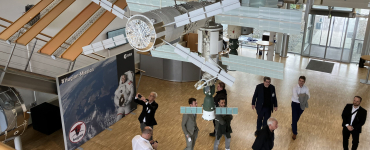
dotmagazine DIGISUSTAIN Learn moreAn Initiative to Fight DNS Abuse With more than 1,000 members, eco is the largest Association of the Internet Industry in Europe. These members trust our work: Benefit as a member too! Arista Networks GmbH enclaive GmbH SSC-Services GmbH GOLDBECK Südwest GmbH NameBlock AS All members Current News KRITIS NIS in Space with eco and DLR: Critical Infrastructures in Space and on Earth Satellites are naturally considered part of the critical infrastructure – however only a small part of their ground stations are regulated as “Critical infrastructures” (KRITIS) under the law. The eco meets DLR event in April shed light on the future legal implications of NIS2 and the KRITIS Umbrella Act and provided concrete examples of how to best prepare for attacks. 25.04.2024 © noLimit46 | istockphoto.com Policy & Law eco Criticises Draft Law on Data Retention Presented by Hesse The agreement reached by the traffic light coalition on the so-called quick freeze procedure for Internet investigations is met with a counter-proposal in the German Federal Council (Bundesrat). 25.04.2024 eco dotmagazine Ecosystems of Success: Redefining Digital Business Models dotmagazine is the online international magazine covering Internet industry topics. It features exciting articles from members & partners and covers the entire spectrum of the Internet industry. This dotmagazine issue steps into the realm of digital business models and demonstrates how digital ecosystems are revolutionising industries. 24.04.2024 Datacenter Volker Ludwig on the Sustainability Potential of Data Centres In a short interview, Volker Ludwig, Managing Director of Digital Realty and Deputy Spokesperson for the Alliance for the Strengthening of Digital Infrastructures in Germany, discusses how data centres can become more sustainable – with the help of AI, for example. 22.04.2024 eco 5 Questions for Michael Sicklinger, Arista Networks In an eco-member interview, Michael Sicklinger from Arista Networks GmbH talks about how automation can reduce cost pressures in companies while still meeting high security requirements. 22.04.2024 Artificial Intelligence press release eco Hannover Messe Survey: 51% of Companies Use Artificial Intelligence Around one in two companies (51 per cent) are already using artificial intelligence (AI), according to a recent survey by market and opinion research institute Civey. 19.04.2024 Show all News Digitalisation makes rural areas more attractive! 80.4% Four out of five Germans say digitalisation makes rural areas more attractive. Source: Survey of 2,517 Germans in April 2024. More on the Figures of the Week dotmagazine dotmagazine is an e-magazine on Internet industry topics, showcasing the wealth of experience and knowledge of the eco Association and its members and partners across the entire bandwidth of the Internet industry. ABOUT DOTMAGAZINE dotmagazine Editorial Calendar 2022 Tips, Discussions and Know-How Orientation, Information and practical tips for how to optimally harness digitalisation in these turbulent times. On this site, you'll find an overview of content offered by eco on the topic of Covid-19. Next Events Online 30.04.2024 RDRS - How to access WHOIS data today Online 02.05.2024 topDNS Best Practice Webinar: A partnership to empower domain... Stockholm 14.05.2024 2024 DNS Abuse Workshop @ Nordic Domain Days Online 26.06.2024 ICANN80 Readout – Highlights & Take-Aways from the Policy... Online 26.11.2024 ICANN81 Readout – Highlights & Take-Aways from the Annual... Show all Events eco Newsletter × Newsletter registration failed. A profile change request has been sent to the affected person Your update on the Internet industry News and Events from eco Association Email Address E-Mail-Adresse Wdh dotmagazine (once a month, English) eco european (every six weeks, English) eco weekly (weekly, German) eco politik digital (twice a month, German) Data protection: Yes, I would like to receive the newsletter(s) and mailings on the selected topics. The newsletters are ordinarily sent out in the intervals indicated above. My data may only be passed on within the framework of the eco privacy policy. I can revoke my consent at any time with effect for the future by emailing datenschutz@eco.de or by using the “unsubscribe” link in every email.